
Roof Installation: Why Shortcuts Cost More Later
A roofing crew can make a lot of progress in one day.
Old shingles disappear. Blue underlayment rolls across the roof. New shingles start going down. By the end of the project, the house can look completely different.
But speed isn't what makes a roof installation good.
It's what happens during all those stages that matters.
Once the finished shingles cover everything, homeowners can't easily see the prep work underneath. That's why choosing a roofing company that takes those details seriously matters.
A shortcut might save a little time during installation.
It can cost a lot more time and money if it creates problems later.

Roof Installation Isn't the Place for “Close Enough”
Most homeowners aren't standing on the roof watching every nail go in.
Nor should they be.
You hire a professional roofing company because you expect the crew to understand the roofing system, use the right materials, and follow the correct installation process.
That's especially important because roofing products aren't interchangeable just because they look similar.
Manufacturers have requirements for how their roofing systems should be installed.
Rands Roofing points out that using incorrect materials during repairs can even create problems with existing manufacturer warranties.
That's why getting it right matters from the beginning.
Good Prep Work Sets Up Everything That Follows
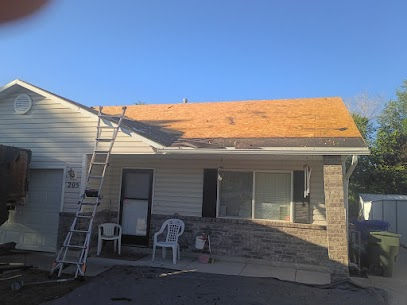
There's a stage during roof replacement when the house doesn't look particularly impressive.
The old shingles are gone.
The roof may be exposed down to the decking.
Materials are being prepared.
Underlayment is going down.
It looks unfinished because it is.
But this is also when careful work matters.
The finished shingles will eventually hide much of what you're looking at. Before that happens, the crew has an opportunity to make sure the surface is ready for the new roofing system.
You don't want existing problems simply covered by something new.
You want them identified and addressed.
The Wrong Material Can Create the Right Conditions for Trouble
Here's something homeowners may not realize:
Not every roofing product belongs with every roofing system.
Materials that appear similar can come from different manufacturers with different requirements.
Rands Roofing specifically warns homeowners about contractors or maintenance crews making repairs with incompatible products. The company notes that mixing the wrong materials can potentially void manufacturer warranty coverage.
That's a pretty expensive consequence for a shortcut nobody can see from the driveway.
A knowledgeable roofing contractor should understand which materials belong with your roofing system rather than simply using whatever happens to be available.
Proper Installation Protects More Than Your House
A manufacturer warranty can provide valuable protection when you invest in a new roof.
But that warranty comes with terms.
The roofing materials need to be installed correctly.
Rands Roofing explains that improper installation involving shingles, underlayment, flashing, ventilation, sealing, or other components can potentially affect warranty coverage.
That's another reason craftsmanship matters.
A beautiful new roof isn't much comfort if improper installation creates a problem with the protection you expected to have.
What Does the Craftsmanship Warranty Cover?
There's an important difference between a roofing product and the work required to install it.
That's why Rands Roofing backs its roofing projects with two types of warranty protection.
The manufacturer warranty applies to qualifying roofing materials according to the manufacturer's terms.
Rands Roofing also provides its own craftsmanship warranty covering the installation work.
That distinction matters.
If there's a covered defect with a roofing product, that's one type of issue.
If a problem results from workmanship, that's another.
Homeowners should understand both before signing off on a new roof.
Shingle Roofing Needs More Than Good Shingles
You can buy excellent shingles and still end up disappointed if they're installed poorly.
Think of it like buying high-quality flooring and putting it over a bad subfloor.
The visible material might be great.
The finished result still depends on everything underneath and the way it was installed.
Shingle roofing works the same way.
Quality materials are important, but they're only part of the project.
Preparation matters.
Installation technique matters.
Flashing matters.
Ventilation matters.
Using compatible materials matters.
The roof needs to work as a complete system.
Why Nail Placement Isn't a Tiny Detail
A roofing project contains plenty of details that look insignificant to someone who doesn't install roofs for a living.
Fastening is one of them.
Manufacturers provide installation requirements for their products, and those requirements aren't suggestions a contractor should casually ignore.
Rands Roofing says its roofing professionals use manufacturer-approved installation techniques for shingles, nails, flashing, and other components.
It's the kind of detail you probably won't think about again once your roof is finished.
That's exactly why you want it done correctly the first time.
Flashing Is Another Place You Don't Want Shortcuts
Roofs become more complicated anywhere surfaces meet.
Vents, walls, valleys, chimneys, skylights, and other transitions create areas that need careful attention.
Flashing helps manage water around those vulnerable points.
If those details aren't handled correctly, you've created an opportunity for moisture to get where it shouldn't.
The frustrating part?
The problem may not become obvious immediately.
Your roof could look perfectly fine from the ground while water slowly finds a path underneath.
Quality installation means paying attention to those less-visible areas before they become future roof leak repair calls.
Roof Leaks Aren't Always Shingle Problems
When water appears inside a house, homeowners naturally blame the shingles.
Sometimes shingles are responsible.
Sometimes they're not.
Water intrusion can involve flashing, seals, vents, transitions, or other vulnerable areas of the roofing system.
That's why simply patching the place that looks suspicious isn't always enough.
You need to identify the source.
A good roofing contractor looks at the system instead of assuming every leak has the same cause.
Is Roof Repair Enough?
Finding a roofing problem doesn't automatically mean you need a complete replacement.
Sometimes roof repair is the right move.
Rands Roofing explains that localized damage on a roof that's otherwise structurally sound may only require repair. A roof that's nearing the end of its lifespan or showing widespread problems may be a stronger candidate for replacement.
That's a useful distinction.
You shouldn't be pushed into replacing an entire roofing system because one area needs attention.
At the same time, repeatedly patching a worn-out roof isn't always a smart use of money either.
The condition of the whole roof should guide the recommendation.
A Roof Inspection Helps Separate Repairs From Replacement
Most homeowners can't accurately judge roof condition from the yard.
You may see missing shingles.
You might notice an uneven section.
You might have a ceiling stain.
Those observations tell you something deserves attention.
They don't necessarily tell you what the solution should be.
That's where a professional roof inspection comes in.
Rands Roofing offers free inspections and no-obligation estimates for repairs and replacements.
The inspection should answer a basic question:
What does this roof actually need?
Sometimes the answer is less work than you expected.
Sometimes it's more.
Either way, you're working with information instead of guessing.
When Roof Replacement Makes More Sense
Eventually, every roofing system reaches a point where another patch isn't the best answer.
Maybe problems are appearing across several areas.
Maybe the materials have reached the end of their useful life.
Maybe you're spending money fixing one section only to discover another issue a few months later.
That's when roof replacement may make more sense.
A replacement also gives the roofing crew the opportunity to remove the old materials and evaluate what's underneath before building the new system.
Rands Roofing says most residential roof replacements take approximately one to three days, depending on roof size, complexity, and weather.
That's not a huge amount of time considering how long you expect the finished roof to protect your home.
Which makes getting those few days right even more important.
Don't Choose a Roofing Company on Price Alone
Roofing estimates can vary.
It's tempting to look at the numbers, find the lowest one, and assume you've found the best deal.
But make sure you're comparing the actual work.
Ask:
What materials are being used?
Who manufactures them?
Does the installation follow manufacturer requirements?
How is the old roofing removed?
What happens if damaged areas are discovered underneath?
What warranty comes with the materials?
Does the roofing company warranty its workmanship?
Who handles questions after the project is finished?
A cheaper project isn't cheaper if shortcuts lead to repairs later.
Clear Communication Is Part of Good Roofing Work
You don't need to understand every technical detail of residential roofing.
You should understand what's happening to your house.
If something unexpected is discovered during tear-off, your contractor should explain it.
If additional work is necessary, you should know why.
If you're choosing between repair and replacement, you should understand the reasoning.
Rands Roofing lists transparency and clear communication among its core principles, along with doing what it says it will do and putting quality over quantity.
Those aren't just nice ideas.
They're particularly useful during a major home project.
Fall Is a Good Time to Get the Conversation Started
Northern Utah homeowners know fall doesn't last forever.
Comfortable afternoons eventually give way to colder temperatures and snow.
If your roof already needs attention, waiting until winter adds another complication to the project.
You don't necessarily need to know whether you need repair or replacement before calling.
That's what the inspection is for.
Get someone up there.
Find out what condition the roof is in.
Then decide what needs to happen.
Residential Roofing in Ogden and South Ogden
Rands Roofing is based in North Ogden and serves homeowners throughout Weber, Davis, and Box Elder counties. Its services include new construction roof installation, roof replacement, roof repair, gutters, skylights, siding, and stucco work.
For homeowners in Ogden, South Ogden, and surrounding Northern Utah communities, that means you have a local roofing company available when it's time to get answers about an aging or damaged roof.
And those answers should be straightforward.
Does it need repair?
Does it need replacement?
Can it wait?
What will the work involve?
Those are the questions that matter.
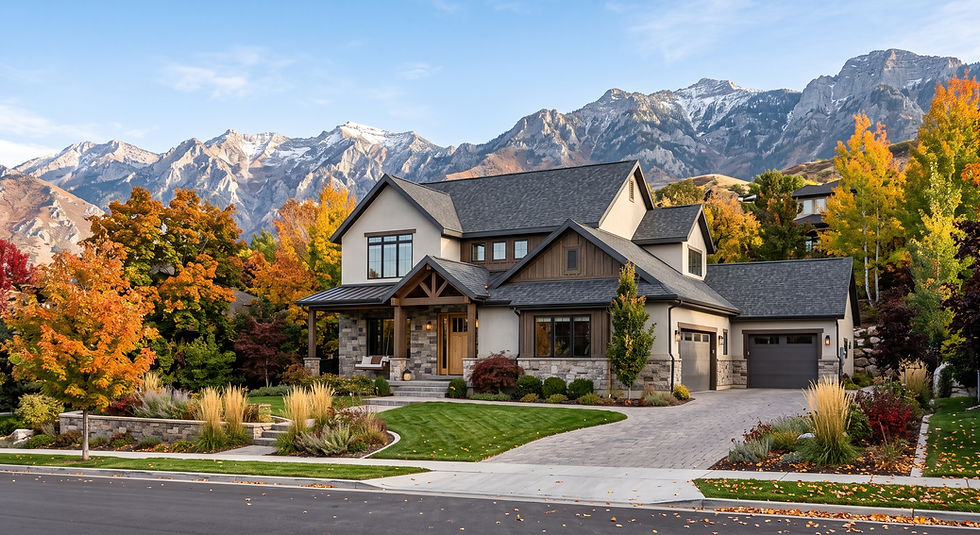
A Quality Roof Installation Should Still Look Good Years From Now
Everyone likes the moment when a new roofing project is finished.
The shingles are clean.
The lines look sharp.
The job site is cleared.
The house looks better.
But the real test comes later.
It's the winter storms.
The summer heat.
The wind.
The years of rain and snow that follow.
That's why a quality roof installation isn't judged only by how it looks the afternoon the crew finishes.
It's built around doing the details correctly while the roof is open—even the ones you'll never see again.
If you're planning a roof replacement, repair, or new roof installation in Ogden, South Ogden, or the surrounding area, contact Rands Roofing for a free roof inspection and no-obligation estimate.
Find out what your roof needs, understand your options, and get the job done right the first time.

Comments