
Roof Replacement: What We Find After the Tear-Off
Halfway through a roof replacement, your house can look a little strange.
The old shingles are gone. The finished roof isn't there yet. Instead, you're looking at the wood underneath—the part of the roof most homeowners rarely get to see.
And that's actually an important moment in the project.
Once the old roofing materials come off, the crew gets a much better look at what they're working with underneath. Instead of judging the roof only by what can be seen from the surface, they can see the foundation the new roofing system will depend on.
At Rands Roofing, a quality roof replacement isn't just about making the finished shingles look good. It's about doing the prep work correctly before those shingles ever go down.
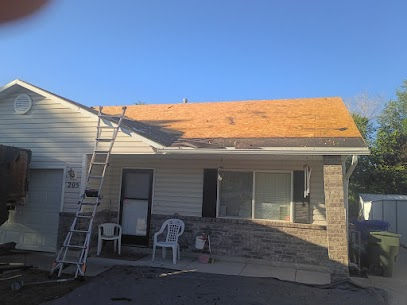
Roof Replacement Starts by Taking the Old Roof Off
There's a reason a complete tear-off can be such an important part of replacing an aging roof.
Old shingles can hide what's happening underneath them.
From the driveway, you may see curling shingles, missing sections, or general wear. But you can't necessarily see the condition of the roof deck below.
Removing the existing roofing materials exposes that surface.
Now there's an opportunity to look more closely before covering everything with the new roofing system.
Rands Roofing provides complete roof tear-offs and replacements for homeowners throughout Northern Utah.
What Is Roof Decking?
Roof decking is the solid surface underneath your roofing materials.
Think of it as the foundation the rest of the roofing system is built on.
Once a roof is finished, you shouldn't see the decking from outside because it's covered by the roofing system above it.
During a tear-off, though, it becomes visible again.
That's useful.
The crew can look at the exposed surface before moving ahead with the next stages of the project.
A new roof needs a solid surface underneath it.
Putting new materials over a problem doesn't solve the problem—it just hides it again.
Why the Tear-Off Tells Us So Much
Imagine replacing the flooring in an older home.
You pull up the old carpet and suddenly discover what's been underneath it for years.
Maybe everything looks great.
Maybe there's an area that deserves attention before the new flooring goes down.
A roof tear-off works in a similar way.
The shingles you've been looking at for years are only the exterior layer.
Once they're removed, the crew gets a clearer view of the surface below.
That's why this stage of roof replacement isn't simply demolition.
It's part of understanding the roof you're about to rebuild.
Water Can Leave Clues Behind
One thing roofing professionals are paying attention to during a project is evidence of previous moisture problems.
Maybe you had a roof leak years ago.
Maybe water found its way underneath damaged shingles during a storm.
Maybe you've noticed a ceiling stain but never knew exactly what was happening above it.
Removing old roofing materials can provide additional information about areas that may have experienced moisture.
The important point is simple:
Don't cover a known problem just because the new shingles will hide it.
Deal with what needs attention first.
Roof Leak Repair Is About Finding the Actual Source
Water can be surprisingly good at hiding where it came from.
You might notice a stain on a bedroom ceiling and assume the leak is directly above it.
That isn't always how it works.
Water can enter through one part of a roofing system and move along materials before finally becoming visible inside.
That's why good roof leak repair focuses on identifying the source rather than simply treating the interior symptom.
Sometimes that leads to a targeted repair.
Other times, especially when an older roof has multiple issues, the overall condition may point toward replacement.
Either way, you want to know what you're dealing with.
Does Damaged Decking Mean the Whole Roof Is Bad?
Not necessarily.
Every roof is different.
The purpose of looking carefully at the exposed roof isn't to assume there will be a major problem. It's to make sure the new roofing system has the proper foundation.
If something needs attention, it's much better to discover it while the roof is already open than after everything has been covered again.
That's the value of doing the preparation correctly.
The finished roof is only as reassuring as the work underneath it.
What Comes After the Decking?
Once the roof is properly prepared, the new roofing system can begin coming together.
This is the part of the project where progress becomes easy to see.
The surface is prepared.
Underlayment goes down.
Flashing and other details receive attention.
Then the shingles start appearing row by row.
By the end, all that preparation disappears.
From the ground, you see a clean new roof.
But the work you can't see anymore is part of what makes the finished project matter.
Shingle Roofing Should Be Installed to Manufacturer Requirements
New shingles aren't simply decorative pieces placed across the roof.
They're part of a roofing system, and installation matters.
Rands Roofing emphasizes using the correct materials and following manufacturer requirements rather than cutting corners.
That includes paying attention to the components and installation details that help the roofing system perform as intended.
Why does that matter?
Because even quality materials can cause headaches if they're installed incorrectly.
A new roof is a major investment. You want the materials and the workmanship supporting each other.
Manufacturer Requirements Matter for Your Warranty Too
Proper installation isn't only about immediate roof performance.
It can also affect warranty protection.
Rands Roofing explains that using incorrect materials or installation methods can create problems with manufacturer warranty coverage.
That's why "close enough" isn't a good roofing strategy.
The correct materials need to be used with the correct roofing system, and the installation needs to follow the applicable manufacturer specifications.
Those details may not be obvious when you're looking at the finished house from the street.
They still matter.
Roof Repair or Full Replacement?
Seeing a few damaged shingles doesn't automatically mean it's time to tear everything off.
Sometimes roof repair is the better solution.
If the problem is localized and the rest of the roof remains structurally sound, Rands Roofing says a repair may be sufficient.
A full replacement becomes more likely when the roofing system is nearing the end of its useful life or has widespread problems.
That's why the first question shouldn't be, "How much does a new roof cost?"
It should be, "What does my roof actually need?"
Start With a Free Roof Inspection
You shouldn't have to figure that out on your own.
A professional roof inspection gives you a starting point.
Maybe you've noticed shingles in the yard.
Maybe there's a small stain inside.
Maybe your roof simply looks old and you're wondering how much life it has left.
An inspection allows a roofing professional to look at the current condition and explain what makes sense from there.
Rands Roofing offers free roof inspections and no-obligation estimates for roofing projects.
You may find out that a repair is enough.
You may discover it's time to plan a replacement.
Either answer is better than guessing.
Fall Can Be a Practical Time to Plan Roofing Work
Fall has a way of reminding Northern Utah homeowners that winter isn't far away.
Cold mornings start showing up.
The mountains change.
Then, eventually, snow season arrives.
If you already know your roof needs attention, getting the conversation started before winter can give you time to understand the problem and plan the work.
Rands Roofing also offers winter roofing services such as snow removal, ice dam removal, and heat tape installation and repair.
But when an aging roof already needs replacement, it's nice to get that project handled before winter weather becomes the main concern.
What Does a Residential Roof Replacement Timeline Look Like?
Homeowners sometimes picture a roof replacement turning their property into a construction zone for weeks.
That's not necessarily the case.
Rands Roofing says most residential roof replacements can be completed in approximately one to three days, although the actual timeline depends on the size and complexity of the roof as well as weather conditions.
That makes preparation important.
The crew has several stages to work through in a relatively short amount of time.
Removing the old materials correctly, evaluating what has been exposed, preparing the surface, and installing the new roofing system all need to happen in the right order.
Speed is useful.
Doing each stage correctly matters more.
New Roof Installation Has the Same Need for a Solid Foundation
The importance of preparation isn't limited to replacement projects.
A new roof installation also depends on what sits underneath the shingles.
Whether you're building a new house or replacing the roof on one that's been standing for decades, the visible shingles are still only one part of the system.
Good residential roofing starts below the surface.
That's why watching a project halfway through can actually tell you a lot about the work.
You get to see the parts that will eventually disappear.
The Finished Roof Gets the Compliments
Once the project is done, nobody stands in the driveway complimenting the roof decking.
They notice the shingles.
That's understandable.
A new shingle roof can make an older home look dramatically cleaner. The lines are consistent. The worn sections are gone. Everything looks finished again.
But the best roofing work isn't only about that final appearance.
It's knowing that the crew paid attention before the roof looked finished.
That's where craftsmanship starts.
Warranty Protection Should Cover More Than One Piece of the Project
Rands Roofing emphasizes warranty protection on both roofing materials and craftsmanship.
Those are two different things.
Manufacturer coverage applies according to the terms for the roofing materials.
Craftsmanship coverage addresses the installation work.
That distinction matters because a roofing system relies on both.
You want quality materials.
You also want those materials installed correctly.
Rands Roofing has more than 30 years of experience and says its approach centers on integrity, follow-through, quality materials, and clear communication.
Those principles become especially important on a project where much of the work will eventually be hidden from view.
Residential Roofing Across Roy, West Haven, and Ogden
Rands Roofing serves homeowners throughout Weber County and surrounding Northern Utah communities.
That includes:
Roy
West Haven
Ogden
North Ogden
South Ogden
Riverdale
Plain City
Farr West
Pleasant View
Harrisville
Marriott-Slaterville
Hooper
Washington Terrace
The company also serves Davis and Box Elder counties.
Whether you're dealing with a leak, aging shingles, storm damage, or a roof that's simply ready for replacement, the first step can be much simpler than deciding what work you need.
Have it inspected.
A Quality Roof Replacement Is Built From the Bottom Up
The finished shingles may be what everyone notices.
The halfway point tells a more interesting story.
That's when the old materials are gone and you can see what the new roof will actually be built on.
A quality roof replacement takes that stage seriously.
Strip away what's worn out.
Look carefully at what's underneath.
Address problems that need attention.
Prepare the roof correctly.
Then build the new roofing system back up.
If you're in Roy, West Haven, Ogden, or the surrounding area and your roof is showing its age, contact Rands Roofing to schedule a free roof inspection and no-obligation estimate.
Because a roof that lasts starts with doing the work you won't be able to see when it's finished.


Comments