
Roof Installation: What’s Working Under Your Shingles?
When a new roof is going on, the shingles get most of the attention.
They're the part you see from the street. They're the color you choose. And once the project is finished, they're what makes the house look new again.
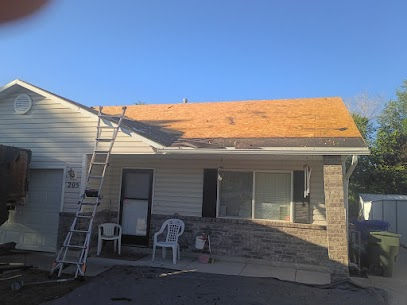
But halfway through a roof installation, you get to see something homeowners usually don't.
The system underneath.
Underlayment. Flashing. Vents. Decking. All those less glamorous parts of the roof are getting covered up as the shingles go down.
And they matter.
Especially when you're building a roof that needs to handle a Northern Utah winter.

Roof Installation Is a System, Not Just a Layer of Shingles
It's easy to think of shingles as the roof.
They're really the most visible part of a larger system.
A properly installed residential roof may include several components working together:
Roof decking
Underlayment
Flashing
Ventilation
Sealing
Shingles
Drainage components
Each one has a different job.
Once the installation is finished, you'll barely think about most of them again.
That's exactly what you want.
The parts underneath should quietly do their jobs while the finished shingles take all the credit.
What Does Roofing Underlayment Actually Do?
During an active roofing project, underlayment is hard to miss.
It's the layer installed over the roof deck before the shingles cover it.
Then the shingles go down and the underlayment disappears from view.
So why bother with something you'll never see again?
Because shingles aren't the only layer involved in protecting the structure underneath.
Underlayment forms part of the roofing system beneath the exterior shingles. Installing it correctly is one of those steps that may not change how the finished roof looks, but it matters to how the entire system is put together.
Rands Roofing specifically identifies improper underlayment installation as one issue that can compromise a roofing system and potentially affect manufacturer warranty coverage.
That's a pretty good reason not to treat it like an afterthought.
Flashing Protects the Complicated Areas
A roof isn't one perfectly flat, uninterrupted surface.
You've got edges and transitions.
There may be vents, valleys, walls, chimneys, or other areas where different materials and surfaces meet.
Those are places where water needs to be carefully managed.
That's where flashing comes into the picture.
Proper flashing helps direct water away from vulnerable areas instead of giving it an easy path underneath the roofing materials.
When flashing fails, it can become a source of leaks. Rands Roofing lists flashing and seal failures among the roofing problems it repairs.
During a new installation, you have an opportunity to get those details right from the beginning.
Vents Aren’t Just Holes in the Roof
Roof ventilation isn't nearly as noticeable as a new set of architectural shingles.
It's still an important part of the system.
In fact, Rands Roofing's warranty information specifically identifies poor ventilation as one condition that can contribute to premature roof failure and warranty problems.
That's why a roof installation shouldn't be approached as a simple process of covering everything with shingles.
The whole system needs to work together.
You want the finished roof to look good.
You also want all those less-visible pieces doing what they're supposed to do long after the crew leaves.
Why All This Matters Before a Utah Winter
Fall has a way of changing quickly around Northern Utah.
One week you're enjoying comfortable afternoons.
Then the mountains have snow on them.
Eventually, that snow reaches the neighborhood.
Your roof needs to be ready before that happens.
Winter can bring snow, ice, moisture, and repeated temperature changes. If there's already a weak spot somewhere in the roofing system, winter isn't the season when you want to discover it.
That's one reason fall can be a practical time to address an aging or failing roof.
You're getting the home protected before winter weather puts the system to work.
Roof Replacement Gives You a Chance to Start Fresh
If an older roofing system has reached the end of its useful life, a full roof replacement gives the crew an opportunity to remove the old materials and build the new system back up.
Rands Roofing handles complete tear-offs and replacements using new shingles.
The tear-off stage matters because it exposes what's underneath.
Instead of simply looking at the condition of the old shingles, the crew gets a better view of the surface the new roofing system will depend on.
Then the installation can move forward layer by layer.
It's not the prettiest stage of the project.
It may be one of the most important.
What If Your Roof Doesn't Need Replacement?
Not every aging roof needs to come off.
Sometimes a problem is limited to one area.
Maybe a storm damaged a section of shingles.
Maybe flashing needs attention.
Maybe you have a leak with an identifiable source while the rest of the roof remains in good condition.
In those cases, roof repair may make more sense.
Rands Roofing says that when damage is localized and the roof remains structurally sound, a repair may be sufficient. If the roof is approaching the end of its lifespan or has widespread problems, replacement may be recommended instead.
That's why it's better to inspect the roof before deciding what kind of project you need.
Start With a Roof Inspection, Not an Assumption
Homeowners shouldn't have to diagnose their roofs from the driveway.
You may know something looks wrong without knowing what it means.
That's normal.
Maybe you've noticed:
Missing shingles
Curling or worn shingles
Water stains inside
Evidence of a leak
Damage after strong wind
An older roof that hasn't been checked recently
A professional roof inspection can help determine whether you're looking at a repair, replacement, or a roof that's still in good shape.
Rands Roofing offers free roof inspections and no-obligation estimates for repairs and replacements.
That's a much better starting point than assuming every roofing problem requires a new roof.
The Details Underneath Matter to Your Warranty
One of the strongest arguments for proper installation is something homeowners don't always think about until after the project:
The warranty.
Rands Roofing provides dual warranty protection.
The manufacturer's warranty covers qualifying roofing materials against defects according to its terms, typically for 25 years or longer when installed properly.
Rands Roofing also provides its own craftsmanship warranty. The company guarantees that its installation meets manufacturer specifications and states that it will address issues caused by its workmanship.
Those two warranties cover different sides of the project.
The materials matter.
So does the way they're installed.
Manufacturer Specifications Aren't Just Fine Print
When you hear "manufacturer specifications," it can sound like technical language that homeowners don't need to worry about.
But there's a practical reason it matters.
Roofing manufacturers design products to be installed as part of specific systems and according to particular requirements.
Rands Roofing identifies several things that can cause warranty problems, including:
Incorrect installation
Non-approved materials
Poor ventilation
Improper sealing
Its roofing professionals use manufacturer-approved installation techniques for shingles, nails, flashing, and other roofing components.
You may never notice those details once the roof is complete.
That's the point.
They're supposed to be correct before they're covered.
Good Residential Roofing Doesn't Need to Be Complicated for the Homeowner
There's a lot happening during a roofing project.
That doesn't mean the homeowner needs to become a roofing expert.
You shouldn't need to spend your evenings researching flashing techniques or studying how shingles are fastened.
What you do need is a roofing company willing to explain the project clearly.
What did the inspection find?
Does the roof need repair or replacement?
What materials are being used?
How will the project work?
What warranty protection comes with it?
Those are reasonable questions.
Rands Roofing lists honesty and clear communication among its core company values and says it doesn't recommend unnecessary upgrades.
The technical details may be complicated.
The conversation with your roofing contractor shouldn't be.
How Long Does a Residential Roof Replacement Take?
A complete replacement sounds like a major disruption.
It certainly is a significant project, but the active installation may move faster than homeowners expect.
Rands Roofing says most residential roof replacements can be completed in approximately one to three days, depending on the size and complexity of the roof and weather conditions.
That timeframe can vary.
The important thing isn't simply finishing as fast as possible.
It's making sure each stage gets done correctly before the next one covers it.
A fast roof installed poorly isn't a bargain.
What About Winter Roofing Problems?
Even with good preparation, Northern Utah winters can create challenges.
Snow and ice can accumulate.
Ice dams can become a concern.
Rands Roofing offers winter roofing services including professional snow removal, ice dam removal, and heat tape installation and repair.
The company also offers heat tape installation as part of its roof replacement services to help address ice dams during harsh Utah winters.
It's another reminder that residential roofing doesn't exist separately from the climate around it.
Your roof needs to be built and maintained with local conditions in mind.
Local Roofing in Harrisville, South Ogden, and Riverdale
Rands Roofing is based in North Ogden and serves homeowners throughout Weber, Davis, and Box Elder counties.
Its Weber County service area includes:
Harrisville
South Ogden
Riverdale
North Ogden
Ogden
Roy
West Haven
Plain City
Farr West
Pleasant View
Washington Terrace
Marriott-Slaterville
Rands Roofing has more than 30 years of experience and is licensed and insured.
That local experience is useful when the roof you're installing needs to stand up to Northern Utah weather year after year.
A Quality Roof Installation Is About What You Won't See
Once those final shingles go down, most of the work underneath disappears.
The underlayment won't get compliments from the neighbors.
Nobody will pull into the driveway and admire the flashing.
Your ventilation system probably won't make the family group chat.
But those pieces still matter.
A quality roof installation comes from treating the roof as a complete system—from the surface underneath to the shingles everyone eventually sees.
If your roof in Harrisville, South Ogden, Riverdale, or the surrounding area needs attention before winter, start by finding out where it stands.
Contact Rands Roofing to schedule a free roof inspection and no-obligation estimate.
Get the details right now, and let the finished roof quietly do its job when winter arrives.

Comments